
While it may be spooky season, not all symbols and creatures related to Halloween are scary. Often misunderstood, bats are vital to our ecosystems! In Alabama, we have sixteen different species that help keep pest populations down and farm crops healthy!
Here are 10 facts about bats that you can sink your fangs into, just in time for Halloween!
Alabama is home to three endangered bat species
- The Gray Bat (Myotis grisescens), Indiana Bat (Myotis sodalis), and the Northern Long-Eared Bat (Myotis septentrionalis) are all endangered and protected under the Endangered Species Act.
Sauta Cave houses 400,000 bats
- West of Scottsboro, Sauta Cave National Wildlife Refuge protects endangered Gray and Indiana bats! Bat viewing peaks around the end of June and beginning of July.
Indiana Bats hibernate during winter
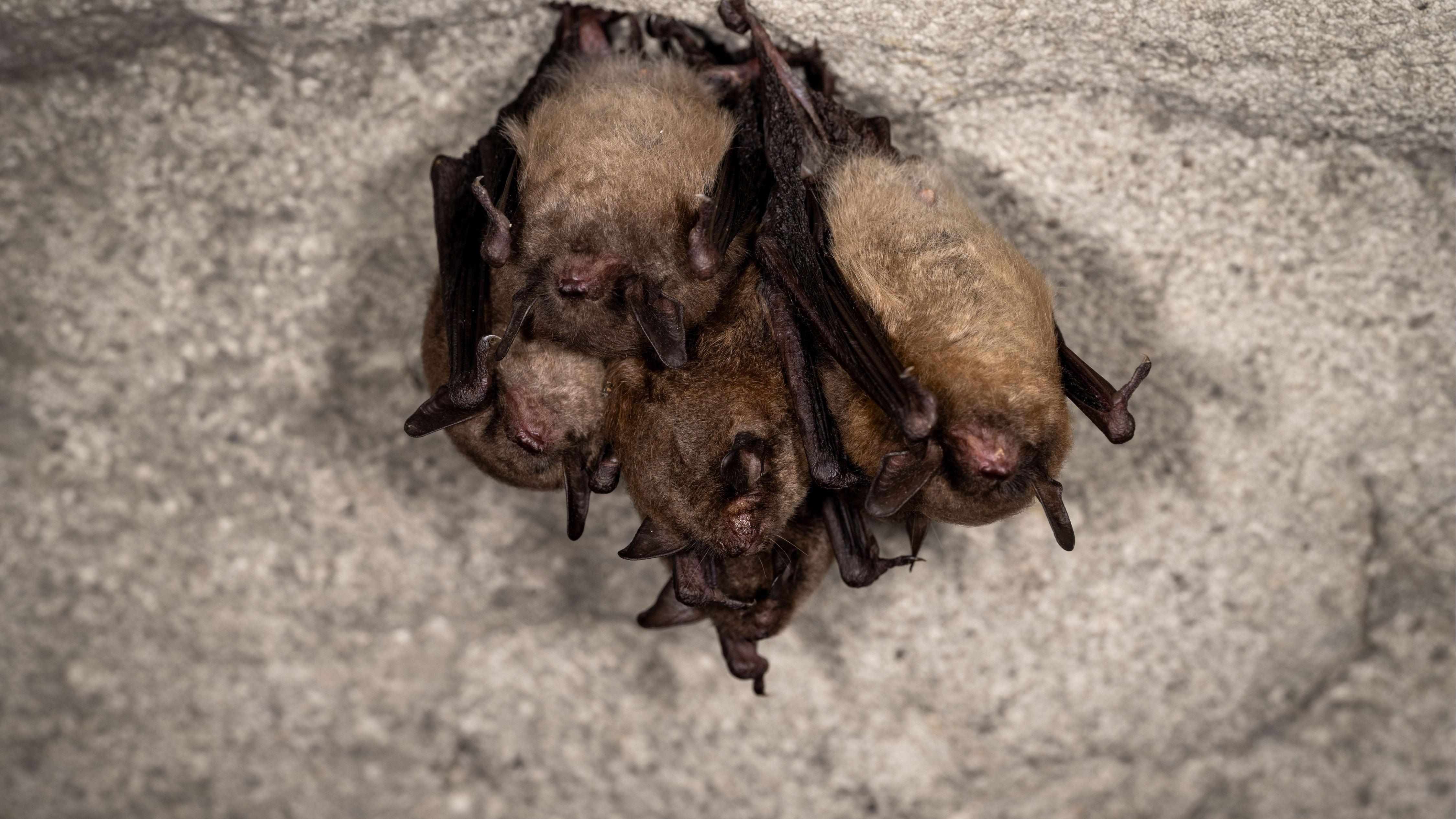
- Often sleeping in caves or abandoned mines, these bats need caves that have stable temperatures and that are cool and humid! Alabama has 10 caves that house these animals with perfect conditions.
Alabama Bats LOVE bugs
- Bats can eat almost 1,000 mosquitoes in an hour, and they often eat their weight in insects most nights! In Alabama, our bat species are insectivorous, meaning they only eat insects for their diet.
Bats can fly at 60 miles per hour or more
- Bats are the only mammals that can actually fly! The Mexican Free-tailed, which can be found in Alabama, has been able to reach speeds up to 100 mph!
The Big Brown Bat can find it’s dinner in the dark
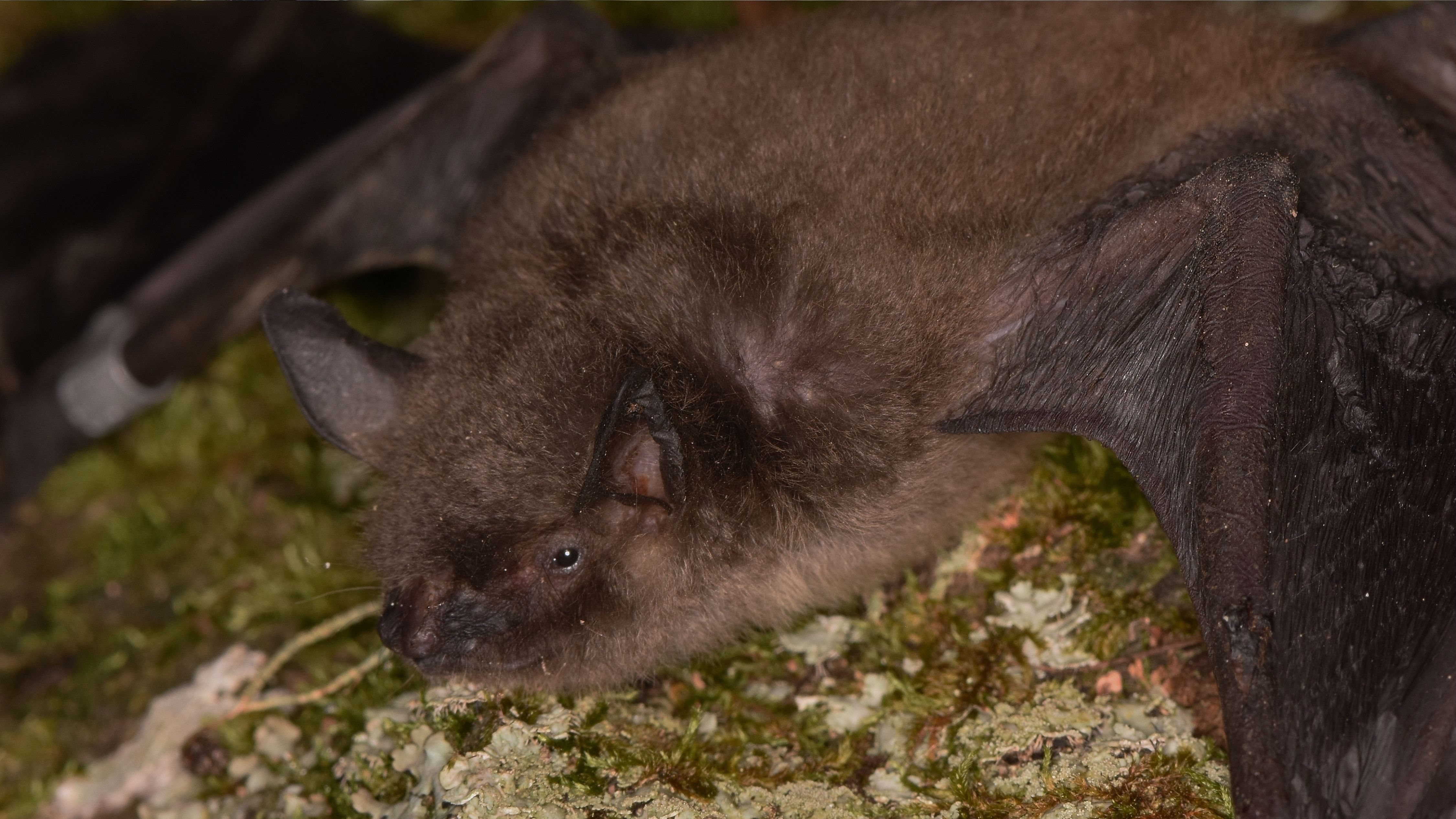
- All Alabama bat species are nocturnal and use echolocation at night, including the Big Brown Bat. Bats emit high-pitched sounds and listen to the echoes those sounds create to find their dinner.
Baby Bats are called “pups”
- Mothers can find their baby bats in a sea of a million other bats just by their voice and scent! Bats normally have one to two pups at a time, making it challenging for conservation efforts aimed at their declining populations.
Seminole bats like their alone time
- These solitary bats use Spanish moss for roosting sites and usually live alone, except when baby bats are born.
Bats can get very sick like humans
- White-nose syndrome is a disease that affects hibernating bats and is caused by a fungus called Pd (Pseudogymnoascus destructans). This has put many Alabama bat populations at risk.
Big Brown Bats help crops
- Brown bats are known to eat cucumber beetles, ground beetles, scarab beetles, snout beetles and stink bugs, which are harmful to farms and forests.
Bats are special and important animals for our environment, and if you want to learn more about bats in Alabama, and around the world, check out Bat Conservation International!



Follow Us