
Celebrate women in the classroom this March with PBS LearningMedia resources for K-12 educators. Our seven picks cover topics such as the suffragette movement, the American Revolution, Black American writers, and an Alabama icon.
For more Women's History Month resources, click here.
1. Suffragist Movement | Let's Learn
(Audio Description & Spanish Closed Caption Available)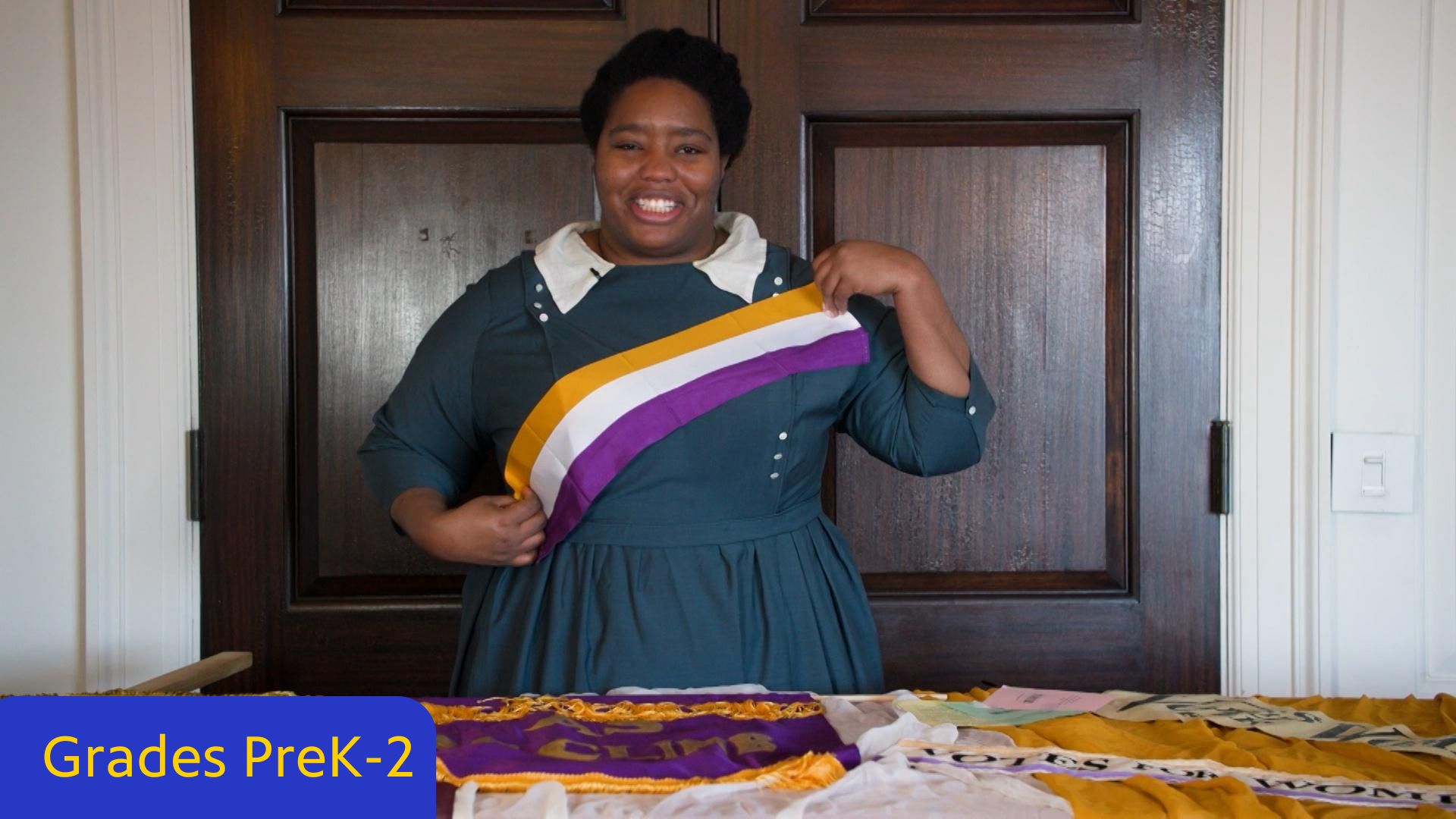
The New-York Historical Society's Cheyney McKnight defines "suffrage" for an early education audience and explores how women gained the right to vote.
This resource is drawn from the public television series Let's Learn. Let’s Learn aims to provide young learners with the knowledge and skills to learn and succeed in school and beyond.
2. Ivy Green: Helen Keller's Birthplace | Yellowhammer History Hunt
(Available in English and Spanish with Audio Description)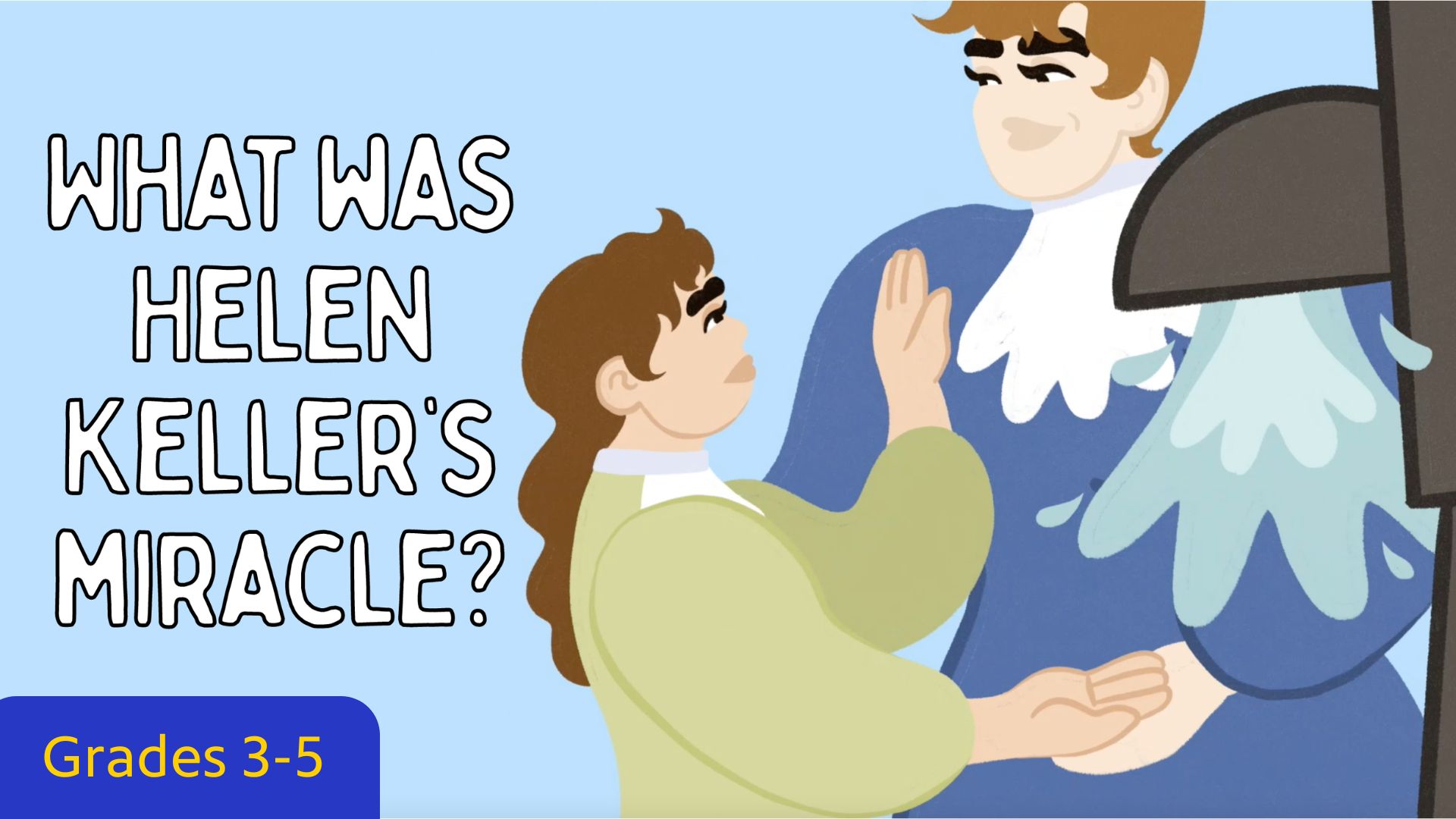
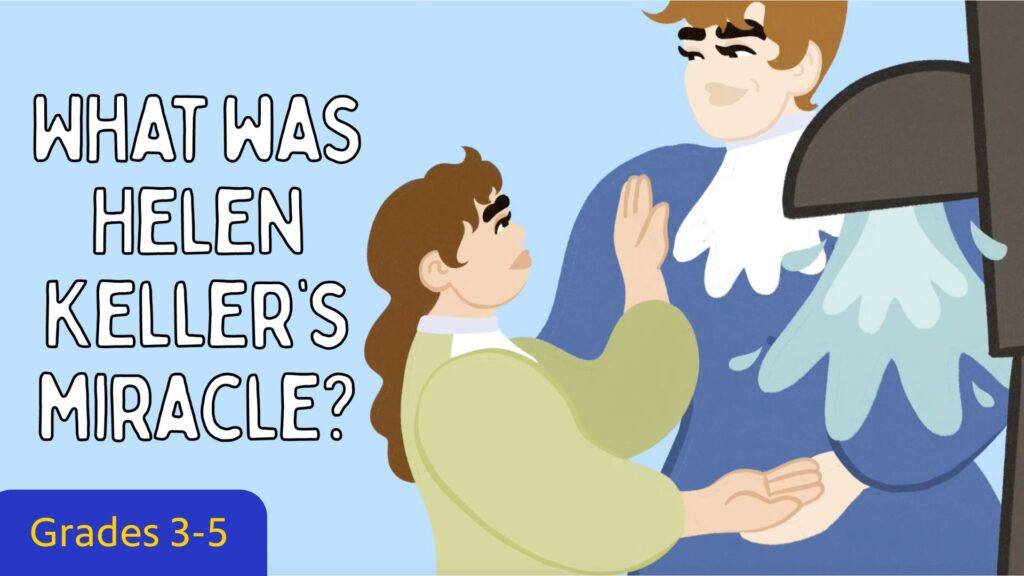
Visit Ivy Green, the birthplace of Helen Keller, in this episode of Alabama Public Television's Yellowhammer History Hunt. Helen lost her sight and hearing as a young child but became a renowned writer and activist, travelling the world to advocate for the rights of people with disabilities.
There are support materials for teachers and students with discussion questions and more for engaging with this Alabama icon.
3. The Experiences of a Young Girl During the American Revolution: Betsy Ambler
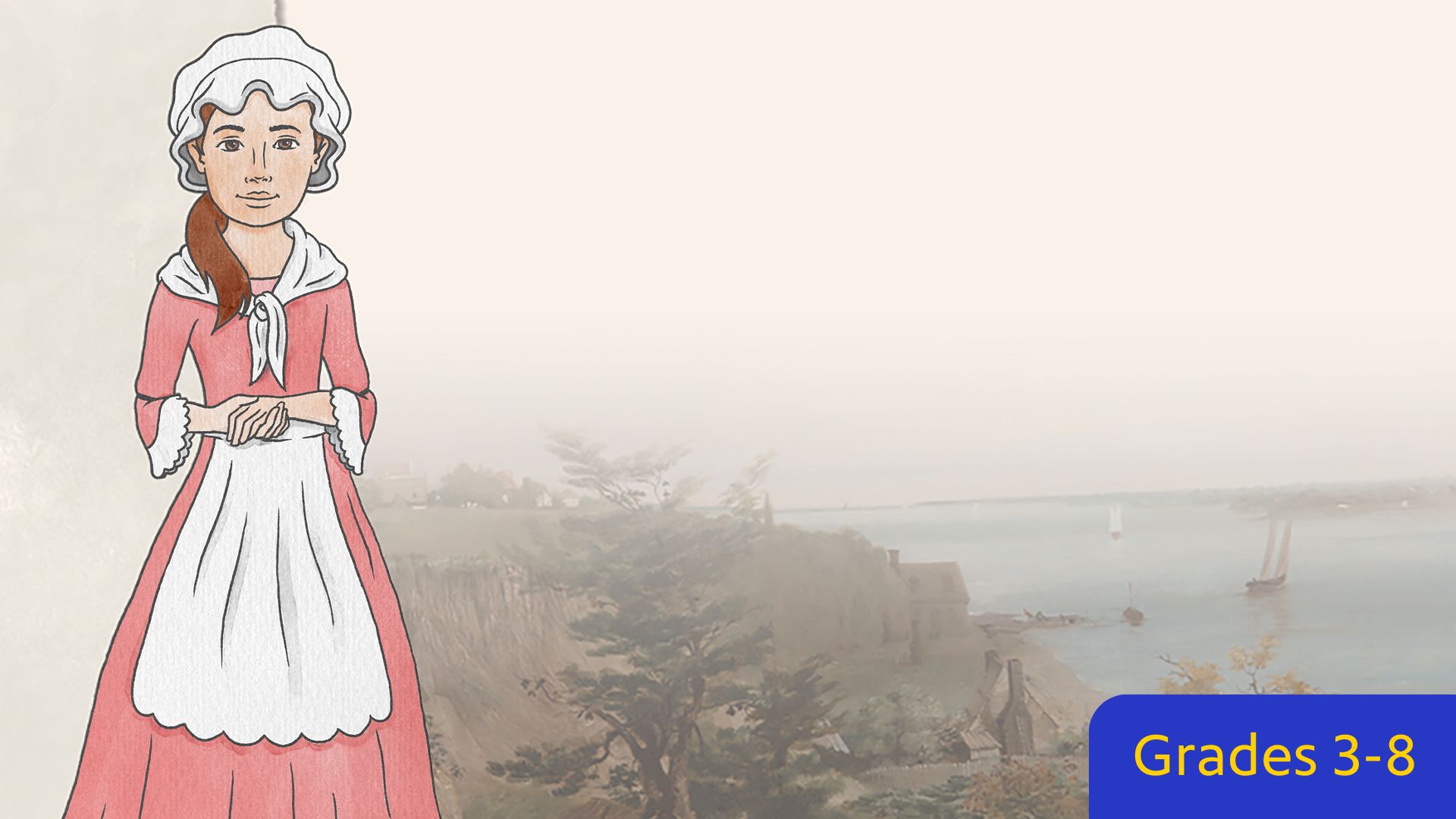
From the collection of Ken Burns in the Classroom, learn what life was like for young children and everyday people before, during, and after the American Revolution through the experiences of Betsy Ambler, a young girl who came of age during the war.
Students explore the challenges that children and families faced and how their lives were altered by the American Revolution. By engaging in this interactive, students consider the following essential question: how did everyday young people, such as Betsy Ambler, experience the American Revolution?
4. The Notorious Women of Piracy | Rogue History
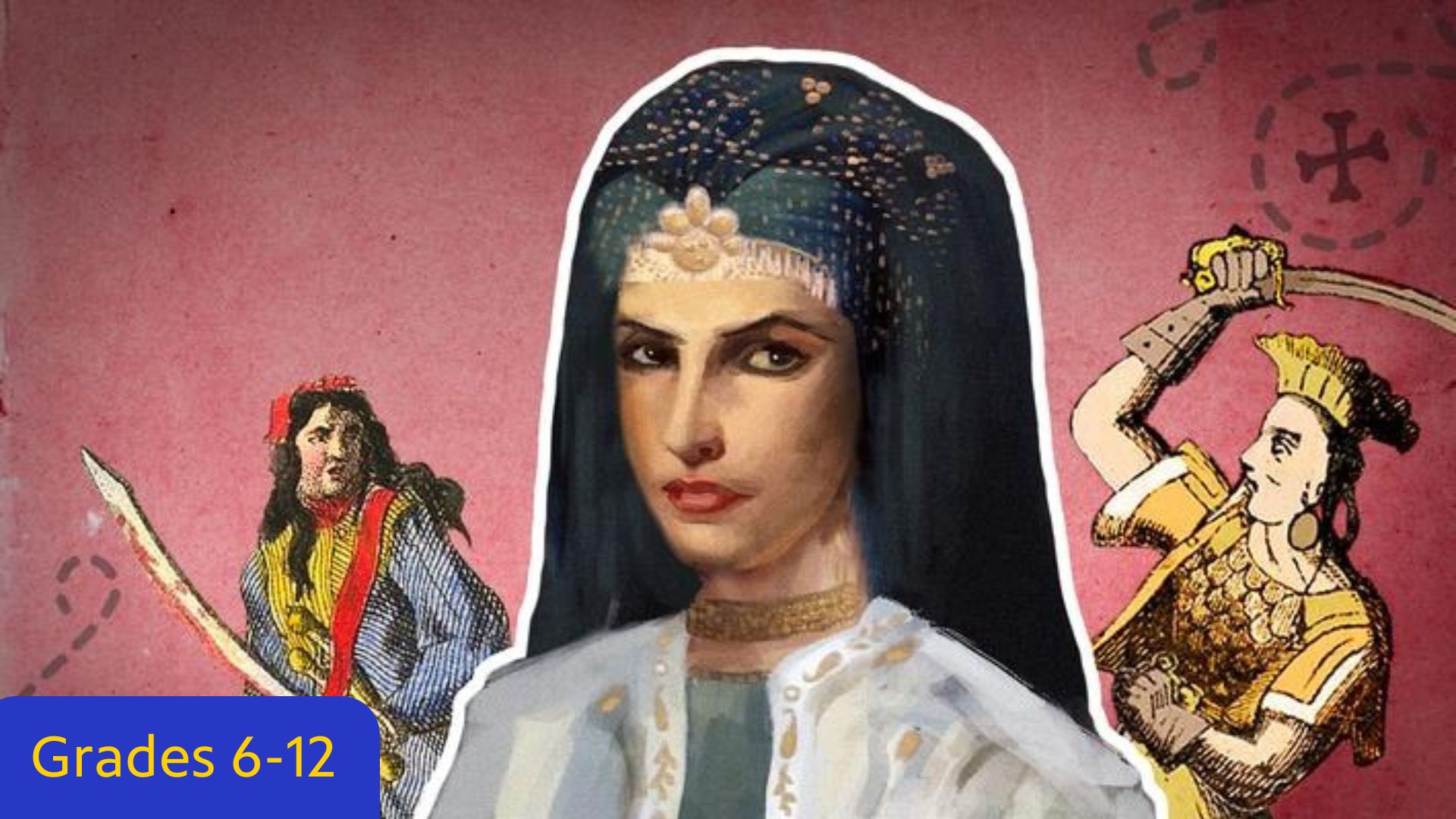
Why is the woman pirate Zheng Yi Sao not as well known as the male pirate Blackbeard? Zheng Yi Sao had a fleet of 1,200 ships at the height of her powers, whereas Blackbeard had just four or five. Join us as we explore the incredible and unsung stories of history’s most notorious women pirates.
This resource from Rouge History highlights lesser-known women in history with teacher and student resources to support your lesson planning.
5. Ynés Mexía | Unladylike2020
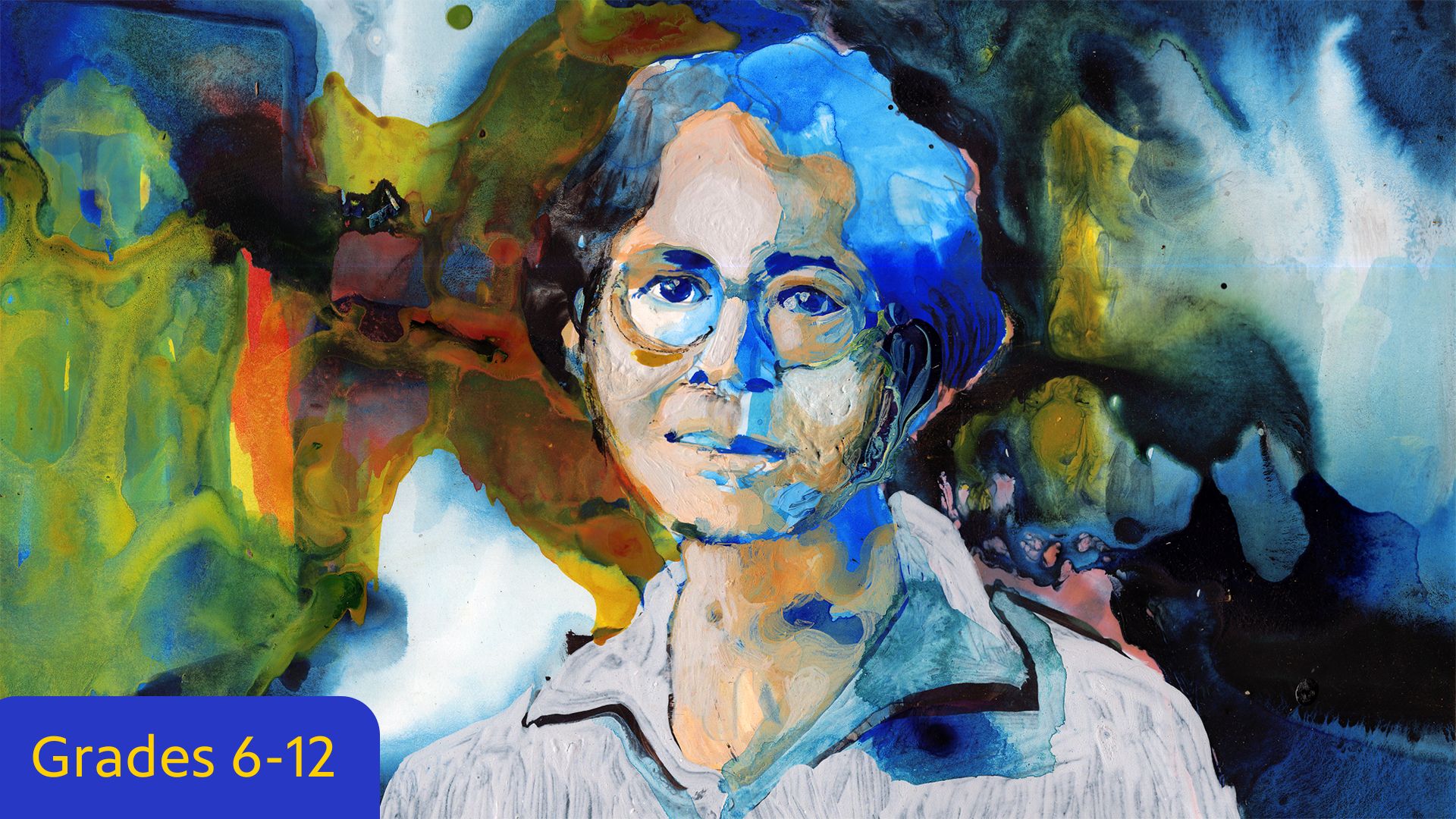
Learn about the life and scientific achievements of botanist, explorer, and environmentalist Ynés Mexía, in this digital short from Unladylike2020.
Using video, discussion questions, classroom activities, and teaching tips, students learn about the historical period in which Mexía lived and her impact on science and the environmental movement.
6. A Black Writer in the South | American Masters: Alice Walker
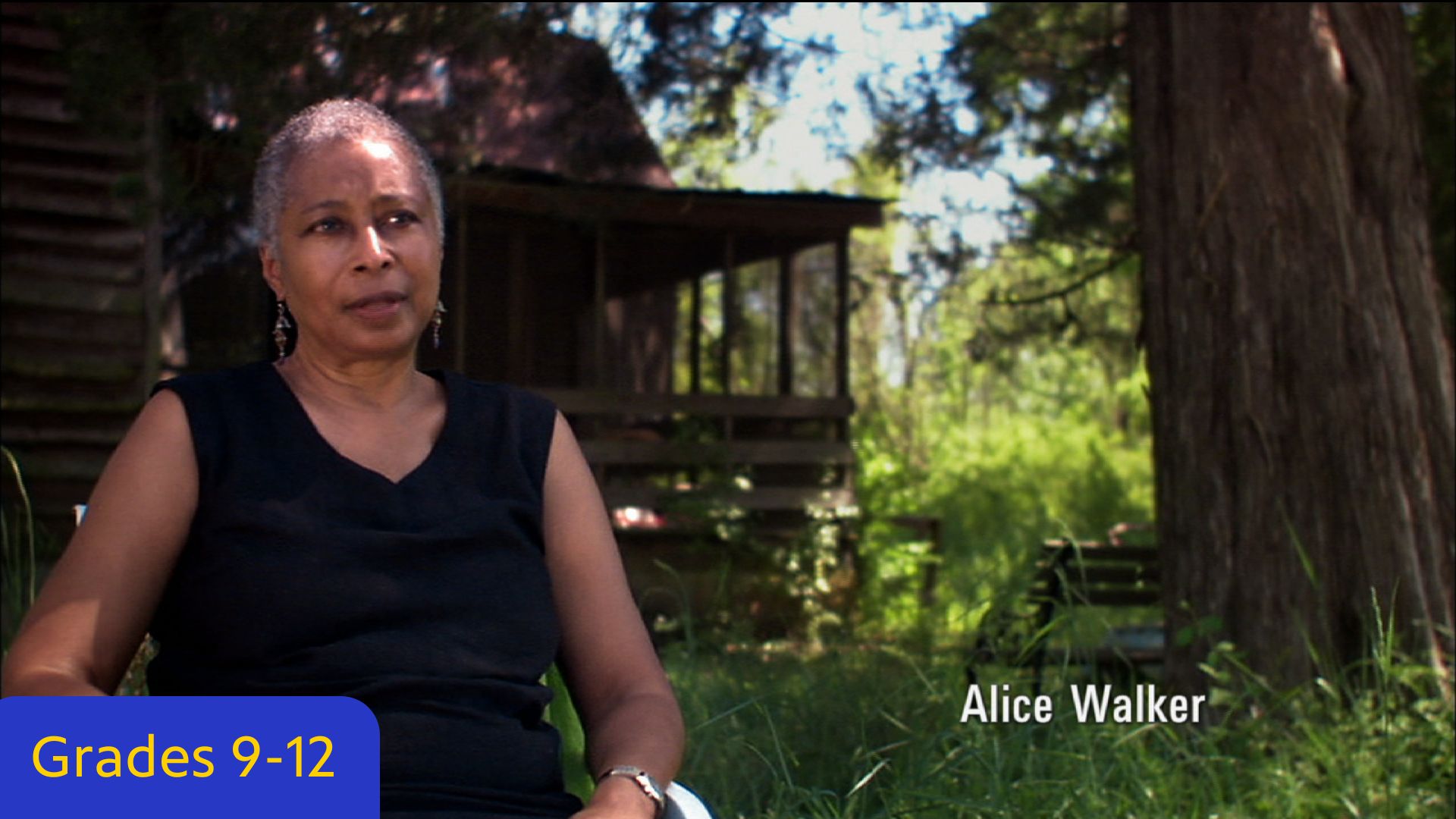
Part of the American Masters collection, this resource features the experiences of The Color Purple author Alice Walker, including teacher and student support materials.
Walker shares stories from her childhood that highlight the strong female figures in her family, particularly her mother, who stood her ground against the white landowner and insisted on an education for her children. These experiences inform her views on what it means to be a Southern black writer.
7. Octavia Butler, The Grand Dame of Science Fiction | It's Lit!
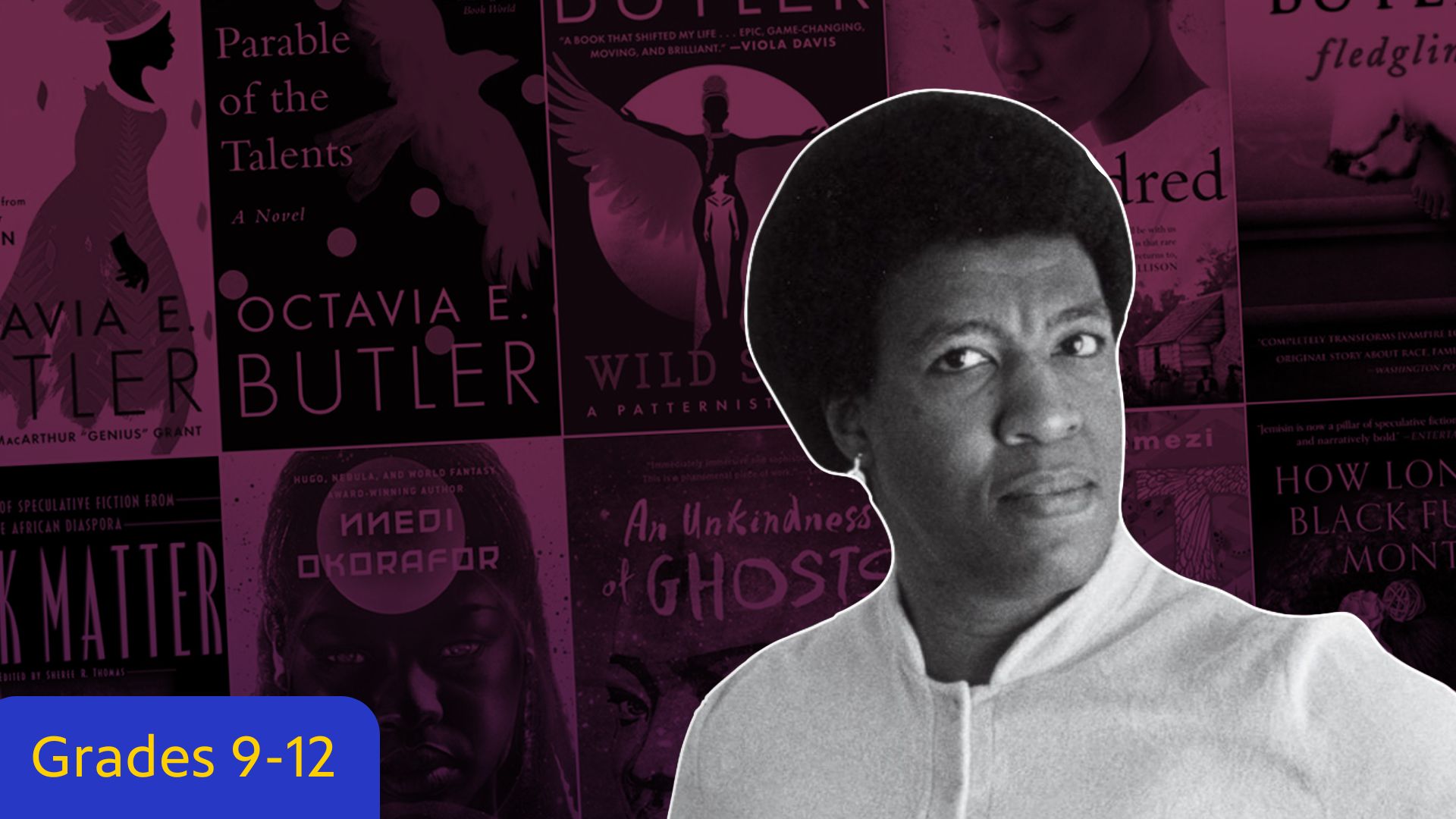
If you are a fan of science fiction, a name you should be familiar with is Octavia E. Butler. One of the most prolific and important Black authors in the genre, Butler’s storytelling pushed the boundaries of what Black people were allowed to be in science fiction.
This resource from PBS's It's Lit will highlight the Grande Dame herself, how her novels were important, and sometimes, oddly predictive. Support materials include discussion questions and vocabulary. The resource also includes a before, during, and after handout to use while watching the video for students to record their thoughts on the science fiction genre and the author Octavia Butler.
Looking for more PBS LearningMedia classroom resources for Women's History Month? You can find more resources here.


Follow Us