
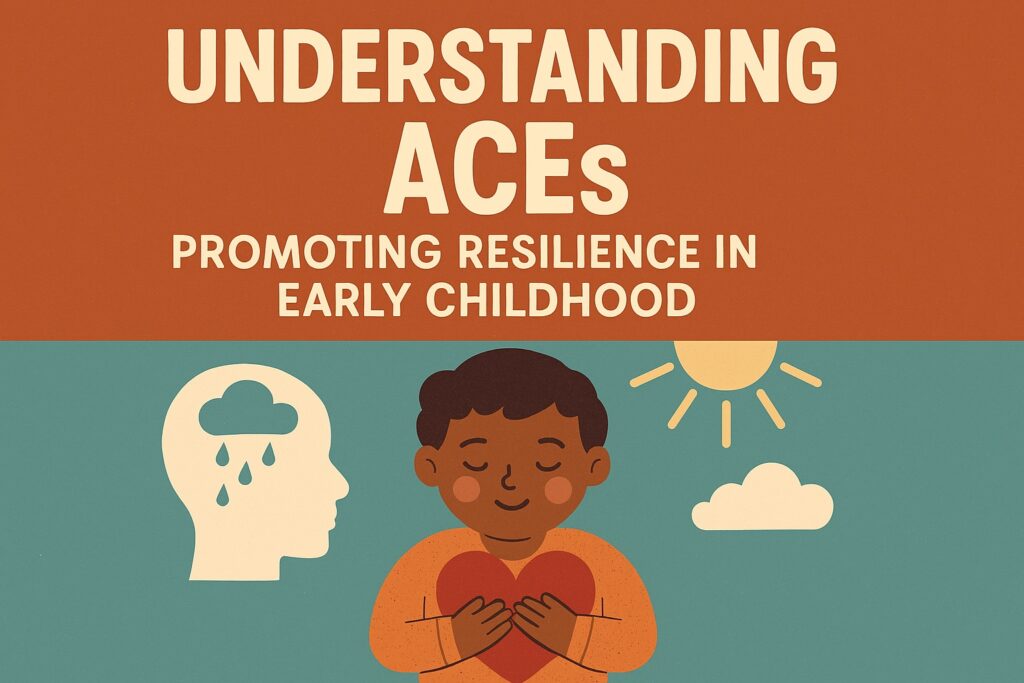
What are ACEs?
As early childhood educators, we're dedicated to fostering healthy development. But what happens when children arrive with "unseen baggage"—the long-term shadow cast by Adverse Childhood Experiences (ACEs)?
ACEs are potentially traumatic events that occur in childhood (ages 0-17). They range from experiencing violence, abuse, or neglect to witnessing family members' struggle with mental health, substance abuse, or the disruption of separation or divorce. These experiences are not rare, and studies show they affect children in all communities, across all demographics.
The impact is profound because a child's brain and body are developing at a rapid pace. Stress from an ACE, especially when it is severe, long-lasting, and occurs without the support of a caring adult, can disrupt that development. It has the potential to alter a child's stress response system, making them more reactive and less able to self-regulate.
☞ Register for our free 3-hour on-demand training: a comprehensive guide to understanding risks and protective factors, the long-term outcomes of ACEs, and more.
Alabama & ACEs
Data on Adverse Childhood Experiences (ACEs) in Alabama, sourced from reports by the CDC and other public health organizations, highlight that many children and adults have experienced significant trauma. These experiences are widespread and can have lasting health consequences.
- Around 44-46% of children (ages 0-17) in Alabama have experienced at least one ACE.
- Approximately 15% of children in Alabama have experienced 3 or more ACEs, which is slightly higher than the national average.
- African American children in Alabama are more likely to experience multiple ACEs compared to any other race.
The most common ACEs in Alabama are:
- divorce
- separation
- income insecurity
- household substance abuse
- mental illness
The ACEs Study: Connecting Trauma to Outcomes
The landmark ACEs Study (conducted by the CDC and Kaiser Permanente in the 1990s) revealed a crucial link: the more ACEs a person experiences, the higher their risk for negative health and well-being outcomes later in life.
These outcomes aren't just behavioral and include:
- Health Risks: Increased risk for chronic diseases like heart disease, diabetes, and certain cancers.
- Mental Health Issues: Higher rates of depression, anxiety, and substance use disorders.
- Life Opportunities: Challenges with academic achievement, employment, and stable relationships.
Prevention & Resilience
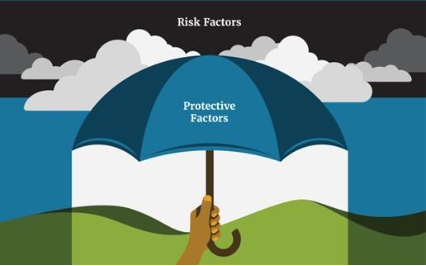
Remember, numbers don't equal destiny. It's important to remember that the ACEs score is not destiny. It is a risk factor, and the goal of our work isn't to diagnose, but to understand the risk and intervene with protective factors.
How can we build a resilient generation? Through stable, nurturing relationships. The journey of understanding ACEs is not about dwelling on past hurt, but about empowering ourselves and our communities to build a more resilient future. While adversity is a reality, it is not a life sentence. We can unlock the potential for healing by focusing on the core antidote to trauma: stable, nurturing relationships.
Our shared knowledge about ACEs has become a powerful tool. It allows us to move past judgment and cultivate environments filled with healing relationships. Every time you offer a warm hug, maintain a predictable routine, or simply listen, you are actively reducing or eliminating the impact of ACEs and transforming a child’s life trajectory. This commitment to empathy and proactive support proves that with awareness and connection, we can build a world where every child has the opportunity to thrive.
Ready to dive deeper? Our 3-hour on-demand training offers a comprehensive guide to understanding risks and protective factors, the long-term outcomes of ACEs, and a full toolkit of evidence-based strategies you can use immediately in your child care setting.



Follow Us